Articles | Volume 7-osr10
https://doi.org/10.5194/sp-7-osr10-16-2026
© Author(s) 2026. This work is distributed under
the Creative Commons Attribution 4.0 License.
the Creative Commons Attribution 4.0 License.
https://doi.org/10.5194/sp-7-osr10-16-2026
© Author(s) 2026. This work is distributed under
the Creative Commons Attribution 4.0 License.
the Creative Commons Attribution 4.0 License.

30 Sep 2026
| OSR10 | Chapter 4.2
| 30 Sep 2026 | OSR10 | Chapter 4.2
Record low sea levels in the Bothnian Bay in November 2024

Finnish Meteorological Institute, Helsinki, Finland
Milla M. Johansson
Finnish Meteorological Institute, Helsinki, Finland
Andrew Twelves
Finnish Meteorological Institute, Helsinki, Finland
Mika Rantanen
Finnish Meteorological Institute, Helsinki, Finland
Priidik Lagemaa
Department of Marine Systems, Tallinn University of Technology, Tallinn, Estonia
Hedi Kanarik
Finnish Meteorological Institute, Helsinki, Finland
Jani Särkkä
Finnish Meteorological Institute, Helsinki, Finland
Urmas Raudsepp
Department of Marine Systems, Tallinn University of Technology, Tallinn, Estonia
Antti Westerlund
Finnish Meteorological Institute, Helsinki, Finland
Related authors
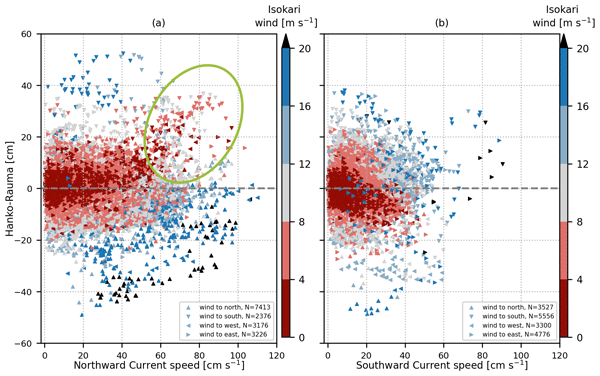
Hedi Kanarik, Laura Tuomi, Pekka Alenius, Elina Miettunen, Milla Johansson, Tuomo Roine, Antti Westerlund, and Kimmo K. Kahma
Ocean Sci., 21, 2125–2147, https://doi.org/10.5194/os-21-2125-2025, https://doi.org/10.5194/os-21-2125-2025, 2025
Short summary
Short summary
The Archipelago Sea (AS), part of the Baltic Sea off the northwest coast of Finland, is a fragmented area with intense human activity. This study presents an overview of the observed currents and their main drivers in the area. While local winds primarily drive the AS currents, simultaneous sea level variations in the Bay of Bothnia and Gulf of Finland also significantly impact the area's dynamics.
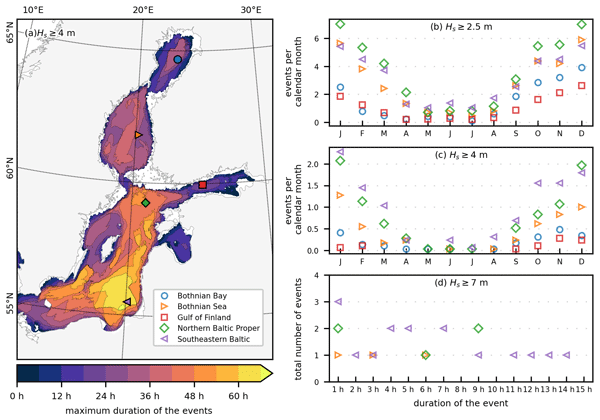
Jan-Victor Björkqvist, Hedi Kanarik, Laura Tuomi, Lauri Niskanen, and Markus Kankainen
State Planet, 4-osr8, 10, https://doi.org/10.5194/sp-4-osr8-10-2024, https://doi.org/10.5194/sp-4-osr8-10-2024, 2024
Short summary
Short summary
Typical wave statistics do not provide information on how often certain wave heights are exceeded and the length of such events. Our study found a strong seasonal dependence for 2.5 and 4 m wave events in the Baltic Sea. Wave heights of over 7 m occurred less than once per year. The number of 1 m wave events can double within 20 km in nearshore areas. Our results are important for all operations at sea, including ship traffic and fish farming.
Taavi Liblik, Daniel Rak, Enriko Siht, Germo Väli, Johannes Karstensen, Laura Tuomi, Louise C. Biddle, Madis-Jaak Lilover, Māris Skudra, Michael Naumann, Urmas Lips, and Volker Mohrholz
EGUsphere, https://doi.org/10.5194/egusphere-2024-2272, https://doi.org/10.5194/egusphere-2024-2272, 2024
Preprint archived
Short summary
Short summary
Eight current meters were deployed to the seafloor across the Baltic to enhance knowledge about circulation and currents. The experiment was complemented by autonomous vehicles. Stable circulation patterns were observed at the sea when weather was steady. Strong and quite persistent currents were observed at the key passage for the deep-water renewal of the Northern Baltic Sea. Deep water renewal mostly occurs during spring and summer periods in the northern Baltic Sea.
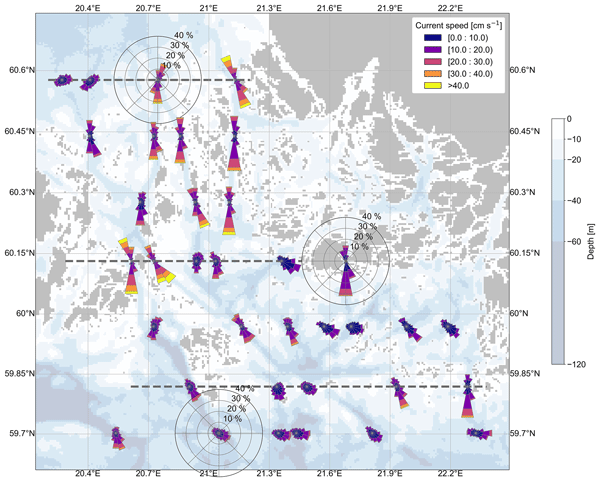
Elina Miettunen, Laura Tuomi, Antti Westerlund, Hedi Kanarik, and Kai Myrberg
Ocean Sci., 20, 69–83, https://doi.org/10.5194/os-20-69-2024, https://doi.org/10.5194/os-20-69-2024, 2024
Short summary
Short summary
We studied circulation and transports in the Archipelago Sea (in the Baltic Sea) with a high-resolution hydrodynamic model. Transport dynamics show different variabilities in the north and south, so no single transect can represent transport through the whole area in all cases. The net transport in the surface layer is southward and follows the alignment of the deeper channels. In the lower layer, the net transport is southward in the northern part of the area and northward in the southern part.
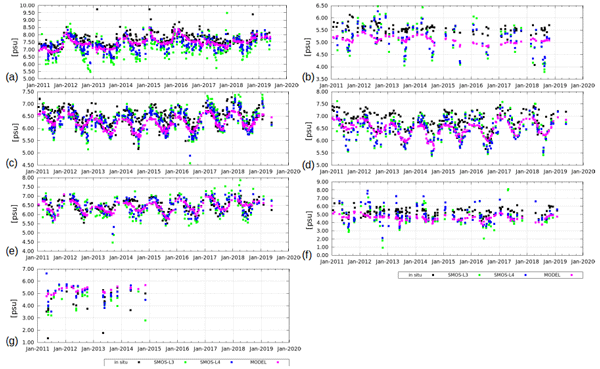
Verónica González-Gambau, Estrella Olmedo, Antonio Turiel, Cristina González-Haro, Aina García-Espriu, Justino Martínez, Pekka Alenius, Laura Tuomi, Rafael Catany, Manuel Arias, Carolina Gabarró, Nina Hoareau, Marta Umbert, Roberto Sabia, and Diego Fernández
Earth Syst. Sci. Data, 14, 2343–2368, https://doi.org/10.5194/essd-14-2343-2022, https://doi.org/10.5194/essd-14-2343-2022, 2022
Short summary
Short summary
We present the first Soil Moisture and Ocean Salinity Sea Surface Salinity (SSS) dedicated products over the Baltic Sea (ESA Baltic+ Salinity Dynamics). The Baltic+ L3 product covers 9 days in a 0.25° grid. The Baltic+ L4 is derived by merging L3 SSS with sea surface temperature information, giving a daily product in a 0.05° grid. The accuracy of L3 is 0.7–0.8 and 0.4 psu for the L4. Baltic+ products have shown to be useful, covering spatiotemporal data gaps and for validating numerical models.
H. E. Markus Meier, Madline Kniebusch, Christian Dieterich, Matthias Gröger, Eduardo Zorita, Ragnar Elmgren, Kai Myrberg, Markus P. Ahola, Alena Bartosova, Erik Bonsdorff, Florian Börgel, Rene Capell, Ida Carlén, Thomas Carlund, Jacob Carstensen, Ole B. Christensen, Volker Dierschke, Claudia Frauen, Morten Frederiksen, Elie Gaget, Anders Galatius, Jari J. Haapala, Antti Halkka, Gustaf Hugelius, Birgit Hünicke, Jaak Jaagus, Mart Jüssi, Jukka Käyhkö, Nina Kirchner, Erik Kjellström, Karol Kulinski, Andreas Lehmann, Göran Lindström, Wilhelm May, Paul A. Miller, Volker Mohrholz, Bärbel Müller-Karulis, Diego Pavón-Jordán, Markus Quante, Marcus Reckermann, Anna Rutgersson, Oleg P. Savchuk, Martin Stendel, Laura Tuomi, Markku Viitasalo, Ralf Weisse, and Wenyan Zhang
Earth Syst. Dynam., 13, 457–593, https://doi.org/10.5194/esd-13-457-2022, https://doi.org/10.5194/esd-13-457-2022, 2022
Short summary
Short summary
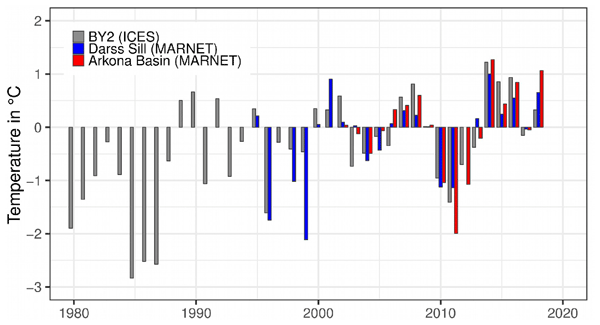
Based on the Baltic Earth Assessment Reports of this thematic issue in Earth System Dynamics and recent peer-reviewed literature, current knowledge about the effects of global warming on past and future changes in the climate of the Baltic Sea region is summarised and assessed. The study is an update of the Second Assessment of Climate Change (BACC II) published in 2015 and focuses on the atmosphere, land, cryosphere, ocean, sediments, and the terrestrial and marine biosphere.
Anna Rutgersson, Erik Kjellström, Jari Haapala, Martin Stendel, Irina Danilovich, Martin Drews, Kirsti Jylhä, Pentti Kujala, Xiaoli Guo Larsén, Kirsten Halsnæs, Ilari Lehtonen, Anna Luomaranta, Erik Nilsson, Taru Olsson, Jani Särkkä, Laura Tuomi, and Norbert Wasmund
Earth Syst. Dynam., 13, 251–301, https://doi.org/10.5194/esd-13-251-2022, https://doi.org/10.5194/esd-13-251-2022, 2022
Short summary
Short summary
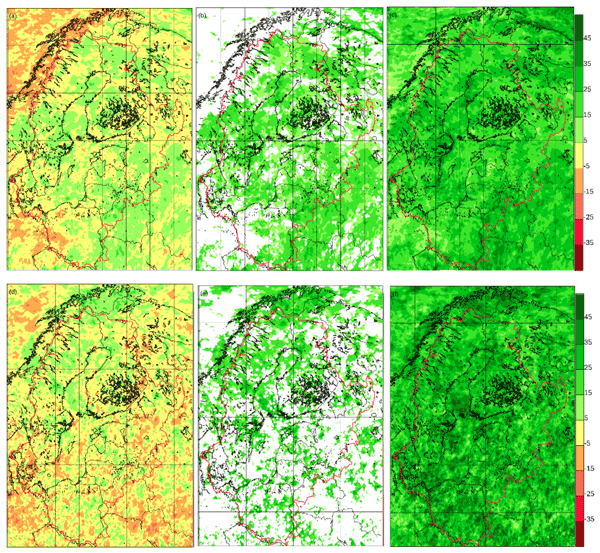
A natural hazard is a naturally occurring extreme event with a negative effect on people, society, or the environment; major events in the study area include wind storms, extreme waves, high and low sea level, ice ridging, heavy precipitation, sea-effect snowfall, river floods, heat waves, ice seasons, and drought. In the future, an increase in sea level, extreme precipitation, heat waves, and phytoplankton blooms is expected, and a decrease in cold spells and severe ice winters is anticipated.
Antti Westerlund, Elina Miettunen, Laura Tuomi, and Pekka Alenius
Ocean Sci., 18, 89–108, https://doi.org/10.5194/os-18-89-2022, https://doi.org/10.5194/os-18-89-2022, 2022
Short summary
Short summary
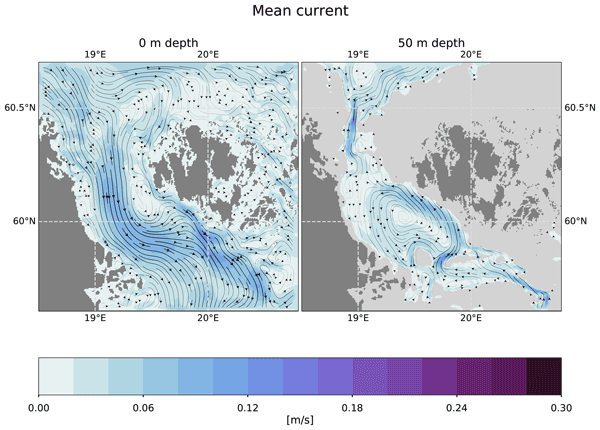
Water exchange through the Åland Sea (in the Baltic Sea) affects the conditions in the neighbouring Gulf of Bothnia. Pathways and variability of flows were studied with a high-resolution hydrodynamic model. Our analysis showed a northward transport in the deep layer and net transport towards the south in the surface layer. While on the southern edge of the Åland Sea the primary route of deep-water exchange is through Lågskär Deep, some deep water still bypasses it to the Åland Sea.
Jan-Victor Björkqvist, Siim Pärt, Victor Alari, Sander Rikka, Elisa Lindgren, and Laura Tuomi
Ocean Sci., 17, 1815–1829, https://doi.org/10.5194/os-17-1815-2021, https://doi.org/10.5194/os-17-1815-2021, 2021
Short summary
Short summary
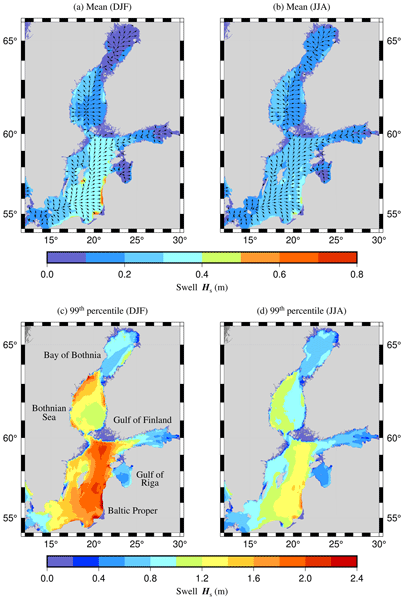
Waves that travel faster than the wind are called swell. Our study presents wave model statistics of swell waves in the Baltic Sea, since such statistics have not yet been reliably compiled. Our results confirm that long, high, and persistent swell is absent in the Baltic Sea. We found that the dependency between swell and wind waves differs in the open sea compared to nearshore areas. These distinctions are important for studies on how waves interact with the atmosphere and the sea floor.
Urmas Raudsepp, Ilja Maljutenko, Jan-Victor Björkqvist, Amirhossein Barzandeh, Sander Rikka, Aarne Männik, Siim Pärt, Priidik Lagemaa, Victor Alari, Kaimo Vahter, and Rivo Uiboupin
State Planet, 7-osr10, 14, https://doi.org/10.5194/sp-7-osr10-14-2026, https://doi.org/10.5194/sp-7-osr10-14-2026, 2026
Short summary
Short summary
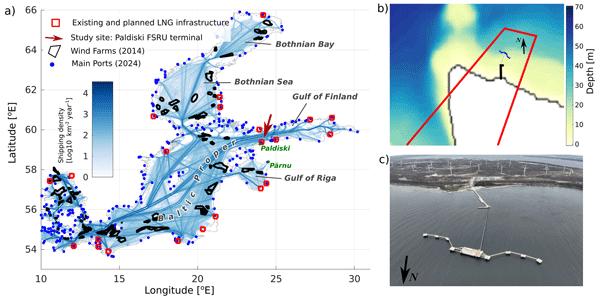
This study estimates extreme metocean conditions for the planned Floating Storage and Regasification Unit (FSRU) terminal on the Estonian coast of the Gulf of Finland. Observations, satellite products, reanalyses, and site-specific model data are used to derive 50-year return levels for wind, sea level, waves, and currents. The results support site-specific engineering assessments and place local extremes within the wider Baltic Sea context.
Urmas Raudsepp, Ulvi Ahmadov, Ilja Maljutenko, Amirhossein Barzandeh, Mariliis Kõuts, and Priidik Lagemaa
State Planet, 7-osr10, 11, https://doi.org/10.5194/sp-7-osr10-11-2026, https://doi.org/10.5194/sp-7-osr10-11-2026, 2026
Short summary
Short summary
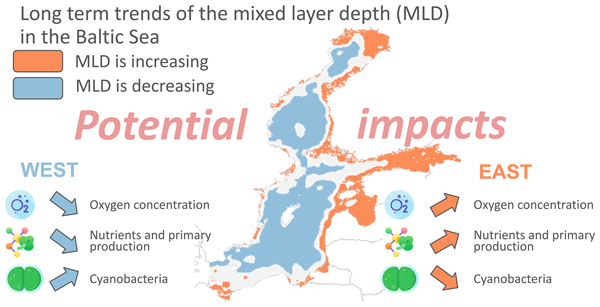
Over the past 30 years, the Baltic Sea's surface mixed layer has changed unevenly: it is shoaling in the southwest due to warming and increased stratification, while deepening in the northeast as ice loss allows more winter mixing. These shifts may affect ecosystems by reducing deep-water ventilation and worsening hypoxia in the south, while enhancing nutrient redistribution and spring bloom potential in the north. The Baltic Sea's climate response is strongly regional.
Paul Alexander Nemeth, Amirhossein Barzandeh, Ilja Maljutenko, Priidik Lagemaa, and Urmas Raudsepp
State Planet Discuss., https://doi.org/10.5194/sp-2026-3, https://doi.org/10.5194/sp-2026-3, 2026
Preprint under review for SP
Short summary
Short summary
Using the Copernicus Marine Baltic Sea Physics Reanalysis, this study quantifies water, heat, and salt transports across the Baltic Sea–North Sea transition zone. It shows that transport estimates depend strongly on diagnostic section placement and temporal resolution, especially for salt transport, highlighting the need to consider these sensitivities in Baltic Sea budget analyses.
Antti Toropainen, Mika Rantanen, and Jouni Räisänen
EGUsphere, https://doi.org/10.5194/egusphere-2026-3721, https://doi.org/10.5194/egusphere-2026-3721, 2026
This preprint is open for discussion and under review for Geoscientific Model Development (GMD).
Short summary
Short summary
This study describes a tool for quantifying the effect of climate change on locally observed temperatures at time-scales ranging from a day to a month. The impact of climate change is estimated by "transferring" past temperature observations to stationary pre-industrial, present-day and future climates by using predicted temperature changes from global climate models. We apply the tool to a record-hot heatwave which impacted Northern Europe in July 2025.
Ali Hayatijozani, Amirhossein Barzandeh, Ilja Maljutenko, Priidik Lagemaa, and Urmas Raudsepp
State Planet Discuss., https://doi.org/10.5194/sp-2026-4, https://doi.org/10.5194/sp-2026-4, 2026
Preprint under review for SP
Short summary
Short summary
Using long-term regional reanalysis, this study shows that Baltic Sea warming is spatially organized rather than basin-uniform. Heat content anomalies form recurrent regimes, including basin-wide warm/cold states and contrasted patterns with opposite anomalies across regions. Positive regimes increase after the mid-2010s, while regional contrasts persist, highlighting the limits of basin-mean heat metrics.
Laura Rautiainen, Milla M. Johansson, Mikko Lensu, Jani Tyynelä, Jukka-Pekka Jalkanen, Mikael Hasu, Ken Stenbäck, Harry Lonka, and Lauri Laakso
Atmos. Meas. Tech., 19, 2763–2785, https://doi.org/10.5194/amt-19-2763-2026, https://doi.org/10.5194/amt-19-2763-2026, 2026
Short summary
Short summary
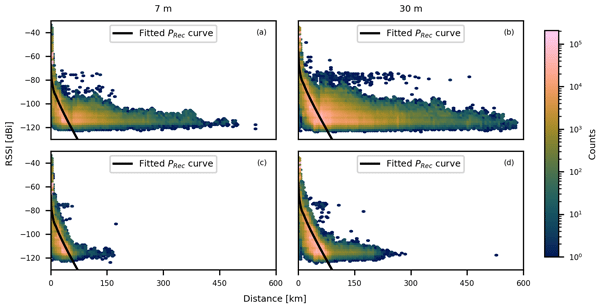
We present an experimental Automatic Identification System (AIS) receiver set-up to study anomalous signal propagation over coastal and marine waters in the northern Baltic Sea. Anomalous atmospheric conditions can allow for the AIS messages to be received from farther distances than under normal conditions. The results show that under anomalous conditions, the messages can be received up to 600 km away and have both diurnal and seasonal cycles.
Kristiina Verro, Cecilia Äijälä, Roberta Pirazzini, Ruzica Dadic, Damien Maure, Willem Jan van de Berg, Giacomo Traversa, Christiaan T. van Dalum, Petteri Uotila, Xavier Fettweis, Biagio Di Mauro, and Milla Johansson
The Cryosphere, 19, 4409–4436, https://doi.org/10.5194/tc-19-4409-2025, https://doi.org/10.5194/tc-19-4409-2025, 2025
Short summary
Short summary
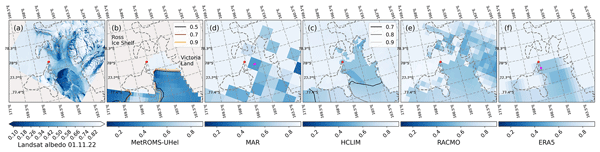
Accurately representing Antarctic sea ice is essential for reliable climate and ocean model predictions. We evaluated how different models simulate the sea ice's sunlight reflectivity (called albedo) using field and satellite data. Models with simple albedo schemes performed well in limited cases but missed key processes. The advanced scheme in the MetROMS-UHel ocean model provided the most accurate results, including observed day–night albedo changes observed during a field campaign.
Hedi Kanarik, Laura Tuomi, Pekka Alenius, Elina Miettunen, Milla Johansson, Tuomo Roine, Antti Westerlund, and Kimmo K. Kahma
Ocean Sci., 21, 2125–2147, https://doi.org/10.5194/os-21-2125-2025, https://doi.org/10.5194/os-21-2125-2025, 2025
Short summary
Short summary
The Archipelago Sea (AS), part of the Baltic Sea off the northwest coast of Finland, is a fragmented area with intense human activity. This study presents an overview of the observed currents and their main drivers in the area. While local winds primarily drive the AS currents, simultaneous sea level variations in the Bay of Bothnia and Gulf of Finland also significantly impact the area's dynamics.
Urmas Raudsepp, Ilja Maljutenko, Priidik Lagemaa, and Karina von Schuckmann
State Planet, 6-osr9, 6, https://doi.org/10.5194/sp-6-osr9-6-2025, https://doi.org/10.5194/sp-6-osr9-6-2025, 2025
Short summary
Short summary
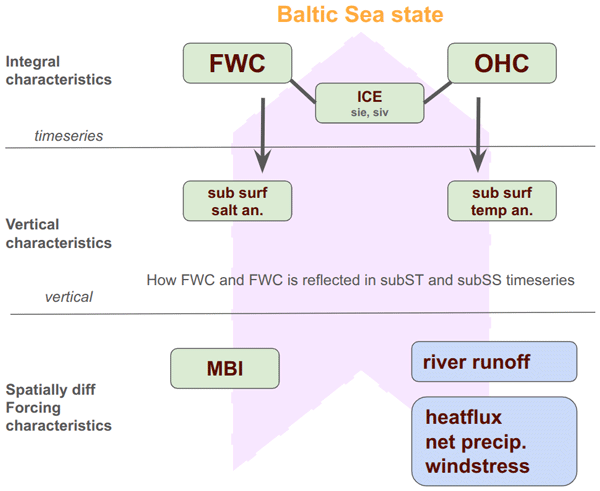
Over the past 3 decades, the Baltic Sea has warmed and become saltier, reflecting broader atmospheric trends. Heat content changes are mainly driven by subsurface temperature variations in the upper 100 m, influenced by air temperature, evaporation, and wind stress. Freshwater content changes are largely controlled by salinity shifts in the halocline (40–120 m), with key drivers being saline inflows, precipitation, and zonal wind stress.
Amirhossein Barzandeh, Matjaž Ličer, Marko Rus, Matej Kristan, Ilja Maljutenko, Jüri Elken, Priidik Lagemaa, and Rivo Uiboupin
Ocean Sci., 21, 1315–1327, https://doi.org/10.5194/os-21-1315-2025, https://doi.org/10.5194/os-21-1315-2025, 2025
Short summary
Short summary
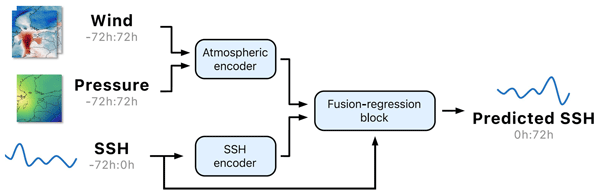
We evaluated a deep-learning model, HIDRA2, for predicting sea levels along the Estonian coast and compared it to traditional numerical models. HIDRA2 performed better overall, offering faster forecasts and valuable uncertainty estimates using ensemble predictions.
Jüri Elken, Ilja Maljutenko, Priidik Lagemaa, Rivo Uiboupin, and Urmas Raudsepp
State Planet, 4-osr8, 9, https://doi.org/10.5194/sp-4-osr8-9-2024, https://doi.org/10.5194/sp-4-osr8-9-2024, 2024
Short summary
Short summary
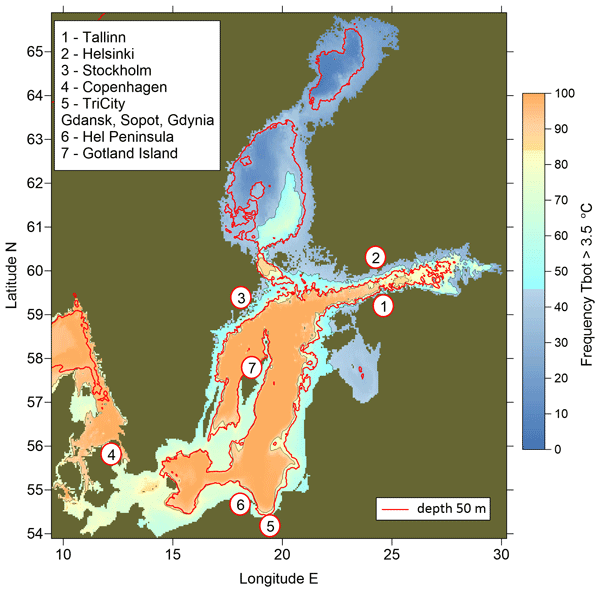
Baltic deep water is generally warmer than surface water during winter when district heating is required. Depending on the location, depth, and oceanographic situation, bottom water of Tallinn Bay can be used as an energy source for seawater heat pumps until the end of February, covering the major time interval when heating is needed. Episodically, there are colder-water events when seawater heat extraction has to be complemented by other sources of heating energy.
Karina von Schuckmann, Lorena Moreira, Mathilde Cancet, Flora Gues, Emmanuelle Autret, Ali Aydogdu, Lluis Castrillo, Daniele Ciani, Andrea Cipollone, Emanuela Clementi, Gianpiero Cossarini, Alvaro de Pascual-Collar, Vincenzo De Toma, Marion Gehlen, Rianne Giesen, Marie Drevillon, Claudia Fanelli, Kevin Hodges, Simon Jandt-Scheelke, Eric Jansen, Melanie Juza, Ioanna Karagali, Priidik Lagemaa, Vidar Lien, Leonardo Lima, Vladyslav Lyubartsev, Ilja Maljutenko, Simona Masina, Ronan McAdam, Pietro Miraglio, Helen Morrison, Tabea Rebekka Panteleit, Andrea Pisano, Marie-Isabelle Pujol, Urmas Raudsepp, Roshin Raj, Ad Stoffelen, Simon Van Gennip, Pierre Veillard, and Chunxue Yang
State Planet, 4-osr8, 2, https://doi.org/10.5194/sp-4-osr8-2-2024, https://doi.org/10.5194/sp-4-osr8-2-2024, 2024
Anja Lindenthal, Claudia Hinrichs, Simon Jandt-Scheelke, Tim Kruschke, Priidik Lagemaa, Eefke M. van der Lee, Ilja Maljutenko, Helen E. Morrison, Tabea R. Panteleit, and Urmas Raudsepp
State Planet, 4-osr8, 16, https://doi.org/10.5194/sp-4-osr8-16-2024, https://doi.org/10.5194/sp-4-osr8-16-2024, 2024
Short summary
Short summary
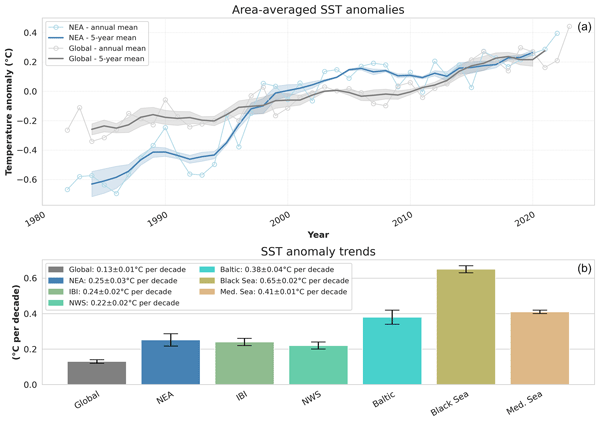
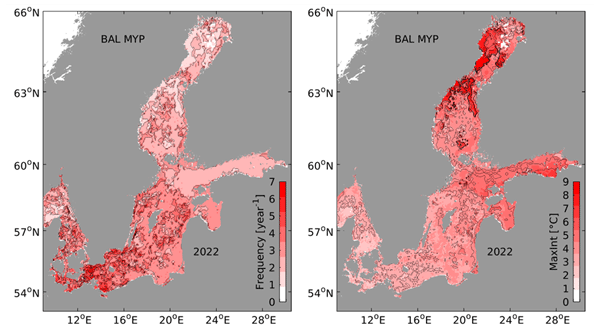
In 2022, large parts of the Baltic Sea experienced the third-warmest to warmest summer and autumn temperatures since 1997 and several marine heatwaves (MHWs). Using remote sensing, reanalysis, and in situ data, this study characterizes regional differences in MHW properties in the Baltic Sea in 2022. Furthermore, it presents an analysis of long-term trends and the relationship between atmospheric warming and MHW occurrences, including their propagation into deeper layers.
Jan-Victor Björkqvist, Hedi Kanarik, Laura Tuomi, Lauri Niskanen, and Markus Kankainen
State Planet, 4-osr8, 10, https://doi.org/10.5194/sp-4-osr8-10-2024, https://doi.org/10.5194/sp-4-osr8-10-2024, 2024
Short summary
Short summary
Typical wave statistics do not provide information on how often certain wave heights are exceeded and the length of such events. Our study found a strong seasonal dependence for 2.5 and 4 m wave events in the Baltic Sea. Wave heights of over 7 m occurred less than once per year. The number of 1 m wave events can double within 20 km in nearshore areas. Our results are important for all operations at sea, including ship traffic and fish farming.
Taavi Liblik, Daniel Rak, Enriko Siht, Germo Väli, Johannes Karstensen, Laura Tuomi, Louise C. Biddle, Madis-Jaak Lilover, Māris Skudra, Michael Naumann, Urmas Lips, and Volker Mohrholz
EGUsphere, https://doi.org/10.5194/egusphere-2024-2272, https://doi.org/10.5194/egusphere-2024-2272, 2024
Preprint archived
Short summary
Short summary
Eight current meters were deployed to the seafloor across the Baltic to enhance knowledge about circulation and currents. The experiment was complemented by autonomous vehicles. Stable circulation patterns were observed at the sea when weather was steady. Strong and quite persistent currents were observed at the key passage for the deep-water renewal of the Northern Baltic Sea. Deep water renewal mostly occurs during spring and summer periods in the northern Baltic Sea.
Jani Särkkä, Jani Räihä, Mika Rantanen, and Matti Kämäräinen
Nat. Hazards Earth Syst. Sci., 24, 1835–1842, https://doi.org/10.5194/nhess-24-1835-2024, https://doi.org/10.5194/nhess-24-1835-2024, 2024
Short summary
Short summary
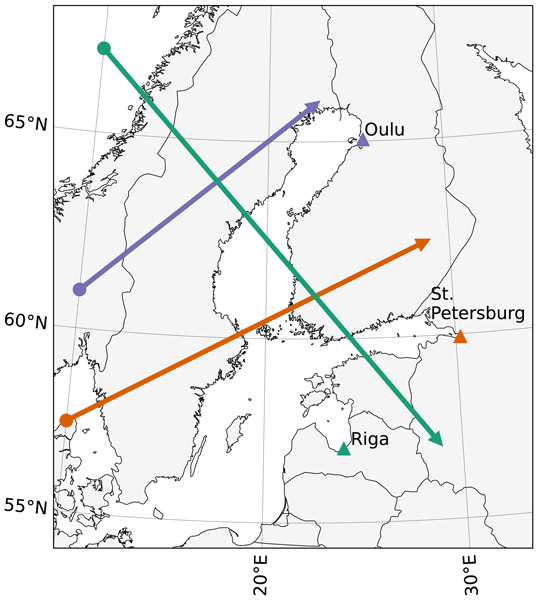
We study the relationship between tracks of low-pressure systems and related sea level extremes. We perform the studies by introducing a method to simulate sea levels using synthetic low-pressure systems. We test the method using sites located along the Baltic Sea coast. We find high extremes, where the sea level extreme reaches up to 3.5 m. In addition, we add the maximal value of the mean level of the Baltic Sea (1 m), leading to a sea level of 4.5 m.
Elina Miettunen, Laura Tuomi, Antti Westerlund, Hedi Kanarik, and Kai Myrberg
Ocean Sci., 20, 69–83, https://doi.org/10.5194/os-20-69-2024, https://doi.org/10.5194/os-20-69-2024, 2024
Short summary
Short summary
We studied circulation and transports in the Archipelago Sea (in the Baltic Sea) with a high-resolution hydrodynamic model. Transport dynamics show different variabilities in the north and south, so no single transect can represent transport through the whole area in all cases. The net transport in the surface layer is southward and follows the alignment of the deeper channels. In the lower layer, the net transport is southward in the northern part of the area and northward in the southern part.
Urmas Raudsepp, Ilja Maljutenko, Amirhossein Barzandeh, Rivo Uiboupin, and Priidik Lagemaa
State Planet, 1-osr7, 7, https://doi.org/10.5194/sp-1-osr7-7-2023, https://doi.org/10.5194/sp-1-osr7-7-2023, 2023
Short summary
Short summary
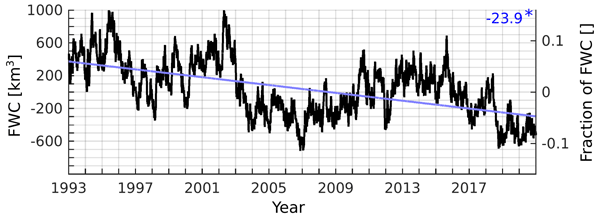
The freshwater content in the Baltic Sea has wide sub-regional variability characterized by the local climate dynamics. The total freshwater content trend is negative due to the recent increased inflows of saltwater, but there are also regions where the increase in runoff and decrease in ice content have led to an increase in the freshwater content.
Olle Räty, Marko Laine, Ulpu Leijala, Jani Särkkä, and Milla M. Johansson
Nat. Hazards Earth Syst. Sci., 23, 2403–2418, https://doi.org/10.5194/nhess-23-2403-2023, https://doi.org/10.5194/nhess-23-2403-2023, 2023
Short summary
Short summary
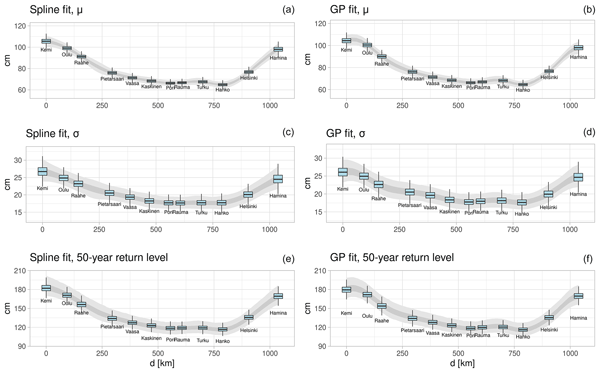
We studied annual maximum sea levels in the Finnish coastal region. Our aim was to better quantify the uncertainty in them compared to previous studies. Using four statistical models, we found out that hierarchical models, which shared information on sea-level extremes across Finnish tide gauges, had lower uncertainty in their results in comparison with tide-gauge-specific fits. These models also suggested that the shape of the distribution for extreme sea levels is similar on the Finnish coast.
Havu Pellikka, Milla M. Johansson, Maaria Nordman, and Kimmo Ruosteenoja
Nat. Hazards Earth Syst. Sci., 23, 1613–1630, https://doi.org/10.5194/nhess-23-1613-2023, https://doi.org/10.5194/nhess-23-1613-2023, 2023
Short summary
Short summary
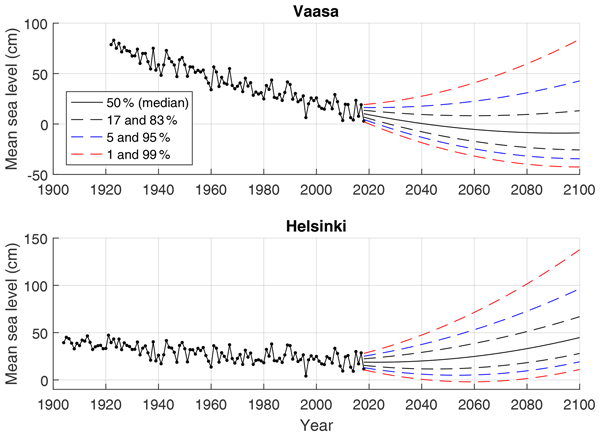
We explore the rate of past and future sea level rise at the Finnish coast, northeastern Baltic Sea, in 1901–2100. For this analysis, we use tide gauge observations, modelling results, and a probabilistic method to combine information from several sea level rise projections. We provide projections of local mean sea level by 2100 as probability distributions. The results can be used in adaptation planning in various sectors with different risk tolerance, e.g. land use planning or nuclear safety.
Verónica González-Gambau, Estrella Olmedo, Antonio Turiel, Cristina González-Haro, Aina García-Espriu, Justino Martínez, Pekka Alenius, Laura Tuomi, Rafael Catany, Manuel Arias, Carolina Gabarró, Nina Hoareau, Marta Umbert, Roberto Sabia, and Diego Fernández
Earth Syst. Sci. Data, 14, 2343–2368, https://doi.org/10.5194/essd-14-2343-2022, https://doi.org/10.5194/essd-14-2343-2022, 2022
Short summary
Short summary
We present the first Soil Moisture and Ocean Salinity Sea Surface Salinity (SSS) dedicated products over the Baltic Sea (ESA Baltic+ Salinity Dynamics). The Baltic+ L3 product covers 9 days in a 0.25° grid. The Baltic+ L4 is derived by merging L3 SSS with sea surface temperature information, giving a daily product in a 0.05° grid. The accuracy of L3 is 0.7–0.8 and 0.4 psu for the L4. Baltic+ products have shown to be useful, covering spatiotemporal data gaps and for validating numerical models.
H. E. Markus Meier, Madline Kniebusch, Christian Dieterich, Matthias Gröger, Eduardo Zorita, Ragnar Elmgren, Kai Myrberg, Markus P. Ahola, Alena Bartosova, Erik Bonsdorff, Florian Börgel, Rene Capell, Ida Carlén, Thomas Carlund, Jacob Carstensen, Ole B. Christensen, Volker Dierschke, Claudia Frauen, Morten Frederiksen, Elie Gaget, Anders Galatius, Jari J. Haapala, Antti Halkka, Gustaf Hugelius, Birgit Hünicke, Jaak Jaagus, Mart Jüssi, Jukka Käyhkö, Nina Kirchner, Erik Kjellström, Karol Kulinski, Andreas Lehmann, Göran Lindström, Wilhelm May, Paul A. Miller, Volker Mohrholz, Bärbel Müller-Karulis, Diego Pavón-Jordán, Markus Quante, Marcus Reckermann, Anna Rutgersson, Oleg P. Savchuk, Martin Stendel, Laura Tuomi, Markku Viitasalo, Ralf Weisse, and Wenyan Zhang
Earth Syst. Dynam., 13, 457–593, https://doi.org/10.5194/esd-13-457-2022, https://doi.org/10.5194/esd-13-457-2022, 2022
Short summary
Short summary
Based on the Baltic Earth Assessment Reports of this thematic issue in Earth System Dynamics and recent peer-reviewed literature, current knowledge about the effects of global warming on past and future changes in the climate of the Baltic Sea region is summarised and assessed. The study is an update of the Second Assessment of Climate Change (BACC II) published in 2015 and focuses on the atmosphere, land, cryosphere, ocean, sediments, and the terrestrial and marine biosphere.

Milla M. Johansson, Jan-Victor Björkqvist, Jani Särkkä, Ulpu Leijala, and Kimmo K. Kahma
Nat. Hazards Earth Syst. Sci., 22, 813–829, https://doi.org/10.5194/nhess-22-813-2022, https://doi.org/10.5194/nhess-22-813-2022, 2022
Short summary
Short summary
We analysed the correlation of sea level and wind waves at a coastal location in the Gulf of Finland using tide gauge data, wave measurements, and wave simulations. The correlation was positive for southwesterly winds and negative for northeasterly winds. Probabilities of high total water levels (sea level + wave crest) are underestimated if sea level and waves are considered independent. Suitably chosen copula functions can account for the dependence.
Anna Rutgersson, Erik Kjellström, Jari Haapala, Martin Stendel, Irina Danilovich, Martin Drews, Kirsti Jylhä, Pentti Kujala, Xiaoli Guo Larsén, Kirsten Halsnæs, Ilari Lehtonen, Anna Luomaranta, Erik Nilsson, Taru Olsson, Jani Särkkä, Laura Tuomi, and Norbert Wasmund
Earth Syst. Dynam., 13, 251–301, https://doi.org/10.5194/esd-13-251-2022, https://doi.org/10.5194/esd-13-251-2022, 2022
Short summary
Short summary
A natural hazard is a naturally occurring extreme event with a negative effect on people, society, or the environment; major events in the study area include wind storms, extreme waves, high and low sea level, ice ridging, heavy precipitation, sea-effect snowfall, river floods, heat waves, ice seasons, and drought. In the future, an increase in sea level, extreme precipitation, heat waves, and phytoplankton blooms is expected, and a decrease in cold spells and severe ice winters is anticipated.
Urmas Raudsepp and Ilja Maljutenko
Geosci. Model Dev., 15, 535–551, https://doi.org/10.5194/gmd-15-535-2022, https://doi.org/10.5194/gmd-15-535-2022, 2022
Short summary
Short summary
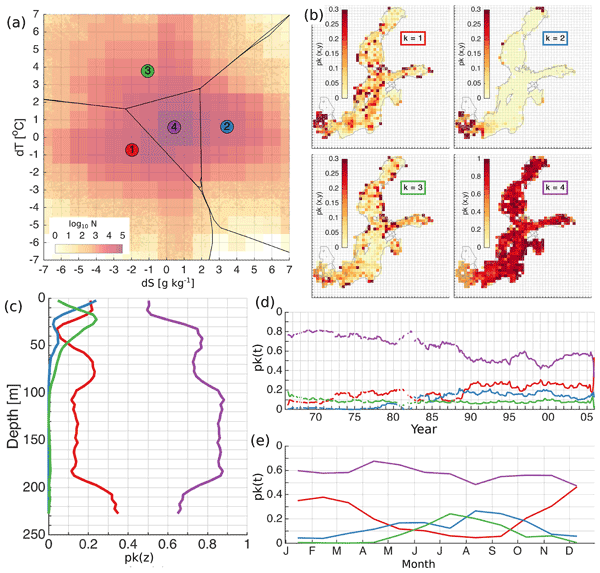
A model's ability to reproduce the state of a simulated object is always a subject of discussion. A new method for the multivariate assessment of numerical model skills uses the K-means algorithm for clustering model errors. All available data that fall into the model domain and simulation period are incorporated into the skill assessment. The clustered errors are used for spatial and temporal analysis of the model accuracy. The method can be applied to different types of geoscientific models.
Antti Westerlund, Elina Miettunen, Laura Tuomi, and Pekka Alenius
Ocean Sci., 18, 89–108, https://doi.org/10.5194/os-18-89-2022, https://doi.org/10.5194/os-18-89-2022, 2022
Short summary
Short summary
Water exchange through the Åland Sea (in the Baltic Sea) affects the conditions in the neighbouring Gulf of Bothnia. Pathways and variability of flows were studied with a high-resolution hydrodynamic model. Our analysis showed a northward transport in the deep layer and net transport towards the south in the surface layer. While on the southern edge of the Åland Sea the primary route of deep-water exchange is through Lågskär Deep, some deep water still bypasses it to the Åland Sea.
Jan-Victor Björkqvist, Siim Pärt, Victor Alari, Sander Rikka, Elisa Lindgren, and Laura Tuomi
Ocean Sci., 17, 1815–1829, https://doi.org/10.5194/os-17-1815-2021, https://doi.org/10.5194/os-17-1815-2021, 2021
Short summary
Short summary
Waves that travel faster than the wind are called swell. Our study presents wave model statistics of swell waves in the Baltic Sea, since such statistics have not yet been reliably compiled. Our results confirm that long, high, and persistent swell is absent in the Baltic Sea. We found that the dependency between swell and wind waves differs in the open sea compared to nearshore areas. These distinctions are important for studies on how waves interact with the atmosphere and the sea floor.
Mika Rantanen, Kirsti Jylhä, Jani Särkkä, Jani Räihä, and Ulpu Leijala
Nat. Hazards Earth Syst. Sci. Discuss., https://doi.org/10.5194/nhess-2021-314, https://doi.org/10.5194/nhess-2021-314, 2021
Revised manuscript not accepted
Short summary
Short summary
Using sea level and precipitation observations, we analysed the meteorological characteristics of days when heavy precipitation and high sea level occur simultaneously in Finland. We found that around 5 % of all heavy precipitation and high sea level events on the Finnish coast are so called compound events when they both occur simultaneously, and these events were associated with close passages of mid-latitude cyclones. Our results act as a basis for compound flooding research in Finland.
Cited articles
Aguiar, D., Kanarik, H., Tuomi, L., and Jokiniemi, A.: Evaluating accuracy of Baltic Sea wave forecasts, Geophysica, 59, 3–19, https://www.geophysica.fi/pdf/geophysica_2024_59_1_003_aguiar.pdf (last access: 9 March 2026), 2024.
ECMWF: IFS documentation, CY49R1, Part V: Ensemble Prediction System, IFS Documentation CY49R1, ECMWF, https://doi.org/10.21957/956d60ad81, 2024.
EU Copernicus Marine Service Product: Baltic Sea Physics Analysis and Forecast, Mercator Ocean International [data set], https://doi.org/10.48670/moi-00010, 2024a.
EU Copernicus Marine Service Product: Baltic Sea – In Situ Near Real Time Observations, Mercator Ocean International [data set], https://doi.org/10.48670/moi-00032, 2024b.
FMI: Weather and Sea level Real-time observations, FMI's Open data service [data set], https://en.ilmatieteenlaitos.fi/download-observations (last access: 9 March 2026), 2026.
Golbeck, I., Li, X., Janssen, F., Brüning, T., Nielsen, J. W., Huess, V., Söderkvist, J., Büchmann, B., Siiriä, S. M., Vähä-Piikkiö, O., and Hackett, B.: Uncertainty estimation for operational ocean forecast products – a multi-model ensemble for the North Sea and the Baltic Sea, Ocean Dynam., 65, 1603–1631, https://doi.org/10.1007/s10236-015-0897-8, 2015.
Haiden, T., Janousek, M., Vitart, F., Tanguy, M., Prates, F., and Chevalier, M.: Evaluation of ECMWF forecasts, ECMWF Technical Memoranda, 918, ECMWF, https://doi.org/10.21957/52f2f31351, 2024.
Hersbach, H., Bell, B., Berrisford, P., Hirahara, S., Horányi, A., Muñoz-Sabater, J., Nicolas, J., Peubey, C., Radu, R., Schepers, D., Simmons, A., Soci, C., Abdalla, S., Abellan, X., Balsamo, G., Bechtold, P., Biavati, G., Bidlot, J., Bonavita, M., De Chiara, G., Dahlgren, P., Dee, D.,Diamantakis, M., Dragani, R., Flemming, J., Forbes, R., Fuentes, M., Geer, A., Haimberger, L., Healy, S., Hogan, R. J., Hólm, E., Janisková, M., Keeley, S., Laloyaux, P., Lopez, P., Lupu, C., Radnoti, G., de Rosnay, P., Rozum, I., Vamborg, F., Villaume, S., and Thépaut, J. N.: The ERA5 global reanalysis, Q. J. R. Meteorol. Soc., 146, 1999–2049, https://doi.org/10.1002/qj.3803, 2020.
Hersbach, H., Bell, B., Berrisford, P., Biavati, G., Horányi, A., Muñoz Sabater, J., Nicolas, J., Peubey, C., Radu, R., Rozum, I., Schepers, D., Simmons, A., Soci, C., Dee, D., and Thépaut, J.-N.: ERA5 monthly averaged data on single levels from 1940 to present, Copernicus Climate Change Service (C3S) Climate Data Store (CDS) [data set], https://doi.org/10.24381/cds.f17050d7, 2023.
In Situ TAC partners: EU Copernicus Marine Service Product User Manual for the Baltic Sea- In Situ Near Real Time Observations In situ products, INSITU_BAL_PHYBGCWAV_DISCRETE_MYNRT_013_032, Issue 2.2, Mercator Ocean International, https://documentation.marine.copernicus.eu/PUM/CMEMS-INS-PUM-013-030-036.pdf (last access: 15 May 2025), 2024.
Jandt-Scheelke, S., Panteleit, T., Verjovkina, S., Lagemaa, P., Spruch, L., and Morrison, H.: EU Copernicus Marine Service Quality Information Document for the Baltic Sea Physics Analysis and Forecast, BALTICSEA_ANALYSISFORECAST_PHY_003_006, Issue 8.0, Mercator Ocean International, https://documentation.marine.copernicus.eu/QUID/CMEMS-BAL-QUID-003-006.pdf (last access: 6 February 2025), 2024.
Johansson, M. M. and Kahma, K. K.: On the statistical relationship between the geostrophic wind and sea level variations in the Baltic Sea, Boreal Env. Res., 21, 25–43, 2016.
Kärnä, T., Ljungemyr, P., Falahat, S., Ringgaard, I., Axell, L., Korabel, V., Murawski, J., Maljutenko, I., Lindenthal, A., Jandt-Scheelke, S., Verjovkina, S., Lorkowski, I., Lagemaa, P., She, J., Tuomi, L., Nord, A., and Huess, V.: Nemo-Nordic 2.0: operational marine forecast model for the Baltic Sea, Geosci. Model Dev., 14, 5731–5749, https://doi.org/10.5194/gmd-14-5731-2021, 2021.
Láng-Ritter, I., Laurila, T. K., Mäkelä, A., Gregow, H., and Sinclair, V. A.: Classifying extratropical cyclones and their impact on Finland's electricity grid: insights from 92 damaging windstorms, Nat. Hazards Earth Syst. Sci., 25, 1697–1717, https://doi.org/10.5194/nhess-25-1697-2025, 2025.
Laurila, T. K., Laapas, M., Olsson, T., and Jylhä, K.: Wind speeds and gusts in Finland: a comparison of observations and ERA5 reanalysis, Boreal Env. Res., 30, 181–193, https://doi.org/10.60910/ber2025.q6kf-qp39, 2025.
Leppäranta, M. and Myrberg, K.: Physical oceanography of the Baltic Sea, Springer-Praxis books in geophysical sciences, Springer/Praxis Pub., Berlin, Chichester, UK, ISBN 978-3-540-79702-9, 2009.
Lindenthal, A., Nord, A., Ljungemyr, P., Fyrstedt, S., and Huess, V.: EU Copernicus Marine Service Product User for the Baltic Sea Physics Analysis and Forecast, BALTICSEA_ANALYSISFORECAST_PHY_003_006, Issue 1.2, Mercator Ocean International, https://documentation.marine.copernicus.eu/PUM/CMEMS-BAL-PUM-003-006-007.pdf (last access: 6 February 2025), 2024.
Madec, G. and the NEMO System Team: NEMO Ocean Engine Reference Manual, Zenodo, https://doi.org/10.5281/zenodo.8167700, 2023.
Medvedev, I. P., Rabinovich, A. B., and Kulikov, E. A.: Tidal oscillations in the Baltic Sea, Oceanology, 53, 526–538, https://doi.org/10.1134/S0001437013050123, 2013.
Müller, M., Homleid, M., Ivarsson, K., Køltzow, M. A. Ø., Lindskog, M., Midtbø, K. H., Andrae, U., Aspelien, T., Berggren, L., Bjørge, D., Dahlgren, P., Kristiansen, J., Randriamampianina, R., Ridal, M., and Vignes, O.: AROME-MetCoOp: A Nordic Convective-Scale Operational Weather Prediction Model, Wea. Forecasting, 32, 609–627, https://doi.org/10.1175/WAF-D-16-0099.1, 2017.
Pellikka, H., Leijala, U., Johansson, M. M., Leinonen, K., and Kahma, K. K.: Future probabilities of coastal floods in Finland, Cont. Shelf Res., 157, 32–42, https://doi.org/10.1016/j.csr.2018.02.006, 2018.
Pellikka, H., Johansson, M. M., Nordman, M., and Ruosteenoja, K.: Probabilistic projections and past trends of sea level rise in Finland, Nat. Hazards Earth Syst. Sci., 23, 1613–1630, https://doi.org/10.5194/nhess-23-1613-2023, 2023.
Räty, O., Laine, M., Leijala, U., Särkkä, J., and Johansson, M. M.: Bayesian hierarchical modelling of sea-level extremes in the Finnish coastal region, Nat. Hazards Earth Syst. Sci., 23, 2403–2418, https://doi.org/10.5194/nhess-23-2403-2023, 2023.
Rutgersson, A., Kjellström, E., Haapala, J., Stendel, M., Danilovich, I., Drews, M., Jylhä, K., Kujala, P., Larsén, X. G., Halsnæs, K., Lehtonen, I., Luomaranta, A., Nilsson, E., Olsson, T., Särkkä, J., Tuomi, L., and Wasmund, N.: Natural hazards and extreme events in the Baltic Sea region, Earth Syst. Dynam., 13, 251–301, https://doi.org/10.5194/esd-13-251-2022, 2022.
SMHI: Sea level observations from Swedish Meteorological and Hydrological Institute and Swedish Maritime Administration, SMHI's Open data service [data set], https://www.smhi.se/data/hav-och-havsmiljo/havsvattenstand/ (last access: 9 March 2026), 2025.
Swedish Meteorological and Hydrological Institute, Danish Meteorological Institute, Finnish Meteorological Institute, Federal Maritime and Hydrographic Agency, and TalTech (Tallin University of Technology): NEMO BAL MFC EIS-202411, Zenodo [code], https://doi.org/10.5281/zenodo.14507734, 2024.
Wehde, H., von Schuckmann, K., Pouliquen, S., Grouazel, A., Bartolome, T., Tintore, J., De Alfonso Alonso-Munoyerro, M., Carval, T., Racapé, V., and the INSTAC team: EU Copernicus Marine Service Quality Information Document for the Baltic Sea- In Situ Near Real Time Observations, INSITU_BAL_PHYBGCWAV_DISCRETE_MYNRT_013_032, Issue 2.4, Mercator Ocean International, https://documentation.marine.copernicus.eu/QUID/CMEMS-INS-QUID-013-030-036.pdf (last access: 15 May 2025), 2024.
Weisse, R., Dailidienė, I., Hünicke, B., Kahma, K., Madsen, K., Omstedt, A., Parnell, K., Schöne, T., Soomere, T., Zhang, W., and Zorita, E.: Sea level dynamics and coastal erosion in the Baltic Sea region, Earth Syst. Dynam., 12, 871–898, https://doi.org/10.5194/esd-12-871-2021, 2021.
Short summary
A record low sea level of −153 cm, 34 cm below the previous minimum, was measured in the Bothnian Bay on 21 November 2024. This extreme event was caused by a strong and long-lasting windstorm that followed an unusual track. The Copernicus Marine Service Baltic Sea forecast system accurately predicted the event 3–4 days in advance. However, forecasts with longer lead times failed to predict the record low sea level, although they did indicate a significant drop in sea levels during the storm.
A record low sea level of −153 cm, 34 cm below the previous minimum, was measured in the...


Altmetrics
Final-revised paper
Preprint